Updated 26 October, 2025
This page brings together basic information about the Tangsa script and its use for the Tangsa languages, and in particular the Muishvung dialect. It aims to provide a brief, descriptive summary of the modern, printed orthography and typographic features, and to advise how to write Tangsa using Unicode.
Richard Ishida, Tangsa Orthography Notes, 26-Oct-2025, https://r12a.github.io/scripts/tnsa/nst
𖩸𖪰𖪒𖪤𖪌𖪧 𖪬𖪗, 𖪸𖪙 𖪵𖪃 𖪠𖪗 𖪭𖩽𖪦𖩴 𖪬𖩴𖪢𖩵 𖪩𖩻𖪬 𖪲𖪒𖪰𖪖 𖪣𖩰 𖪦𖪗. 𖪭𖩽𖪦𖩴 𖪬𖩴𖪢𖩵 𖪫𖪗 𖪦𖪌𖪂 𖪠𖪄𖪀 𖪵𖪌𖪐 𖪥𖩻𖪫 𖪩𖪌𖪬 𖪥𖩶-𖪩𖪇 𖪫𖪌𖪬 𖩸𖪷𖪕 𖪴𖩿. 𖪲𖪒𖪠𖩲 𖪰𖪖 𖪣𖩻𖪫 𖪡𖪏 𖪩𖪇 𖪬𖪗 𖪦𖪌𖪂 𖪠𖪆 𖪠𖩲 𖪰𖪖 𖪮𖩸𖪫 𖪮𖩶 𖩸𖪰𖪖 𖩸𖪴𖩰𖩸𖪀 𖪩𖪘 𖪲𖪒𖪷𖩴𖪀 𖪰𖪖 𖪡𖪍 𖪬𖪗. 𖪬𖩸𖪄𖪐𖪴𖪂 𖪭𖩽𖪦𖩴 𖪩𖩻𖪬 𖪮𖪌𖪠 𖪠𖪗 𖩸𖪷𖪕 𖪲𖪒𖪠𖩴.
Source: Noto fonts preview text
Tangsa is a Southeast Asian monocameral alphabet used on the border between India and Myanmar to write the Tangsa language. In India the script is taught in some schools to write the local Muishvung (Mossang) variety of Tangsa, but the name Tangsa covers a range of dialects in the region (¾ of speakers are in Myanmar). Other dialects haven't yet taken up the script to the extent of the Muishvung speakers, but the script was adapted to cater for the needs of other dialects.
Note that there is some ambiguity surrounding the language tag nst which we use to represent the dialects often referred to collectively as Tangsa on the Indian side of the border and Tangshang on the Myanmar side. (See section 1.4 of Morey.)
The Tangsa script is an alphabet, ie. consonants and vowels are written separately. See the table to the right for a brief overview of features for the Tangsa orthography.
Text runs left to right in horizontal lines. There is no case distinction. Words are separated by spaces.
Tangsa represents native consonant sounds using 32 basic letters. There is also a set of 4 syllabic M characters, one per tone. Syllable codas are written using ordinary letters but there are separate letters for ŋ as an onset and a coda. There are no dedicated medial consonants.
Since this is an alphabet, the absence of vowel sounds in consonant clusters or after codas is marked simply by an absence of vowel letters. There are no conjunct forms or other ways of marking consonant clusters.
❯ basicV
The Tangsa orthography uses letters for all vowels. There are no combining marks. Unusually, each vowel sound has distinct letters for the 4 tones of the Tangsa language (and a few have special extra letters). Vowel letters don't interact graphically with each other or with the consonant letters. There are no pre-base glyphs or circumgraphs.
Tangsa has a number of diphthongs. The orthography has a letter for the sound ɯu, but other dipthongs are written using two letters.
The same letters are used for both post-consonant and standalone vowel sounds.
Tone is indicated by the vowel letter chosen.
Tangsa uses native digits. Punctuation marks are ASCII.
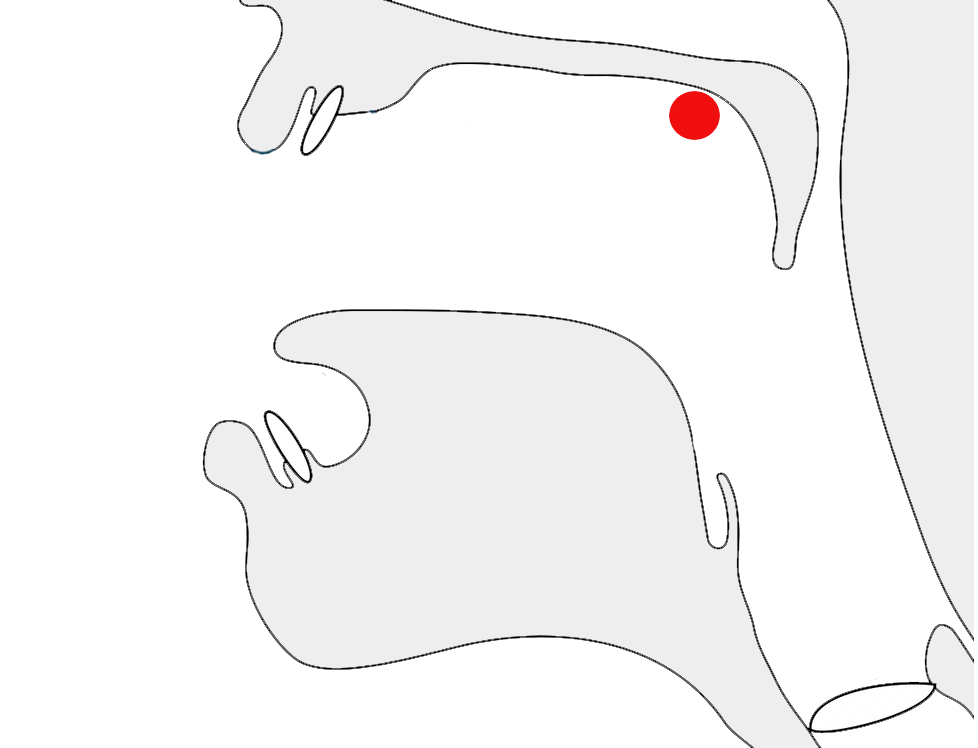
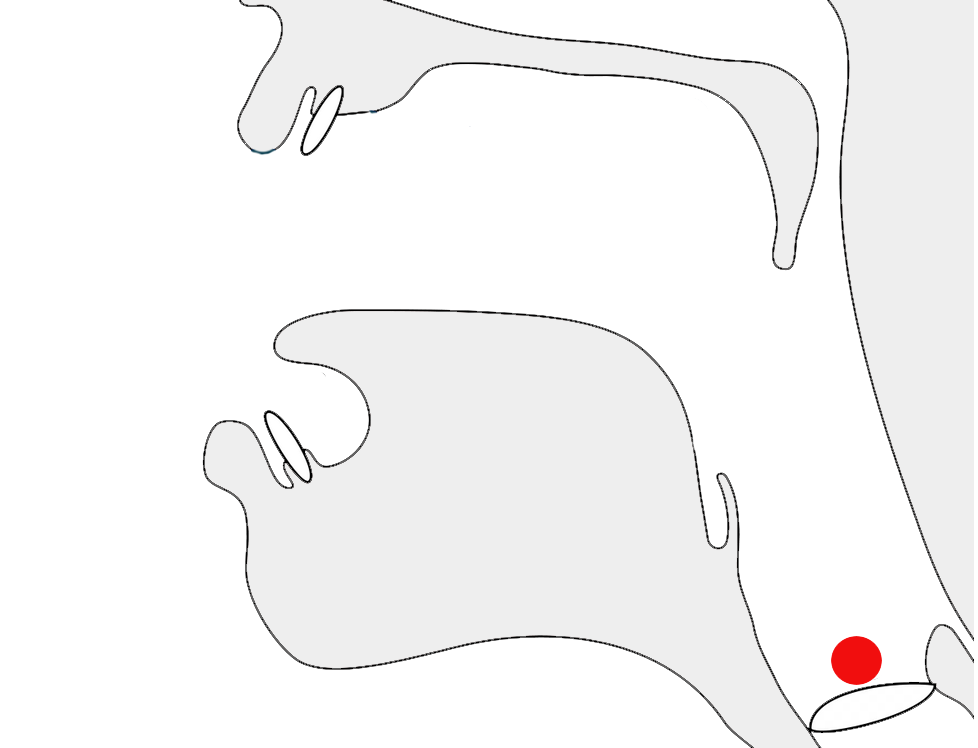
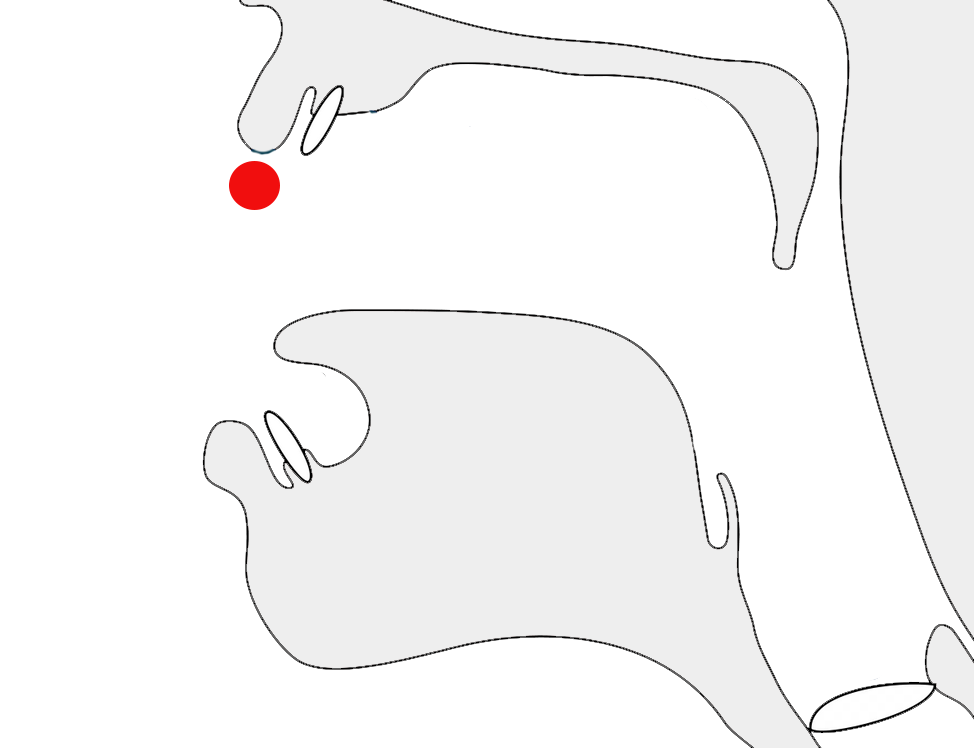
The following represents the repertoire of the Mueshaungx dialect.
Click on the sounds to reveal locations in this document where they are mentioned.
Phones in a lighter colour are non-native or allophones. Source Wikipedia.
| ɯi ɯu | ui | |
| ɤi ɤu | oi | |
| əi əu | ||
| ɔə ɔəi | ||
| ai au |
| labial | dental | alveolar | post- alveolar |
palatal | velar | glottal | |
|---|---|---|---|---|---|---|---|
| stop | p b | t̪ | t d | k ɡ | ʔ | ||
| pʰ | t̪ʰ | tʰ | kʰ | ||||
| affricate | t͡s | t͡ɕ | |||||
| t͡ɕʰ | |||||||
| fricative | β | ð | s z | ʃ | x ɣ | h | |
| ɬ ɮ | ɧ | ɕ ʑ | |||||
| nasal | m | n̪ | n | ɲ | ŋ | ||
| approximant | w | l ɹ | j | ||||
![]() |
![]() |
![]() |
![]() |
![]() |
![]() |
![]() |
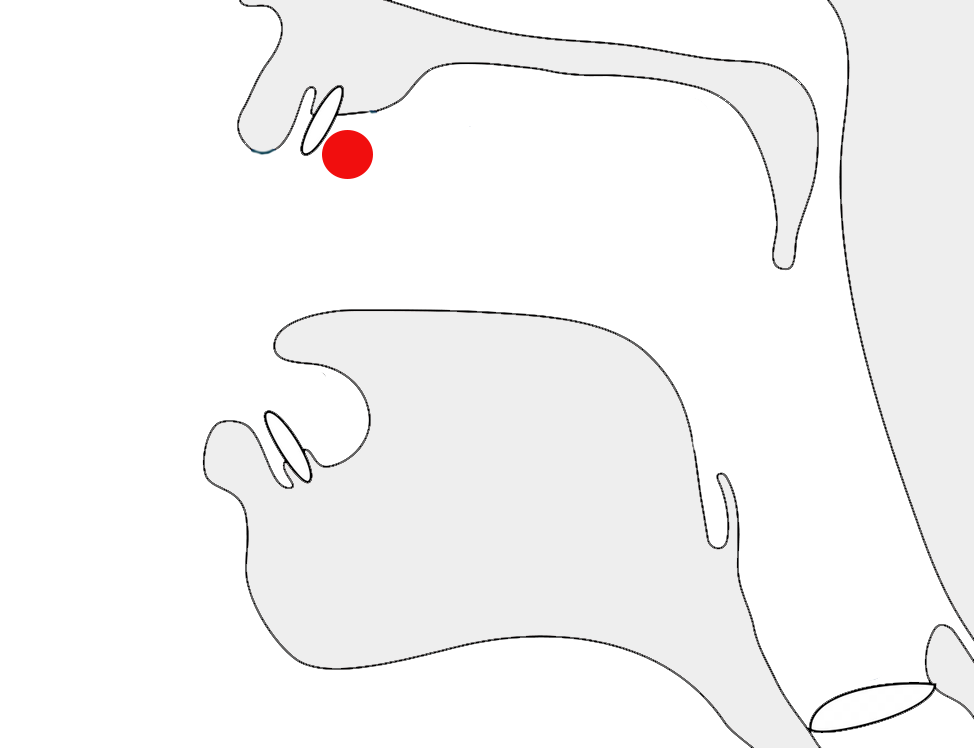
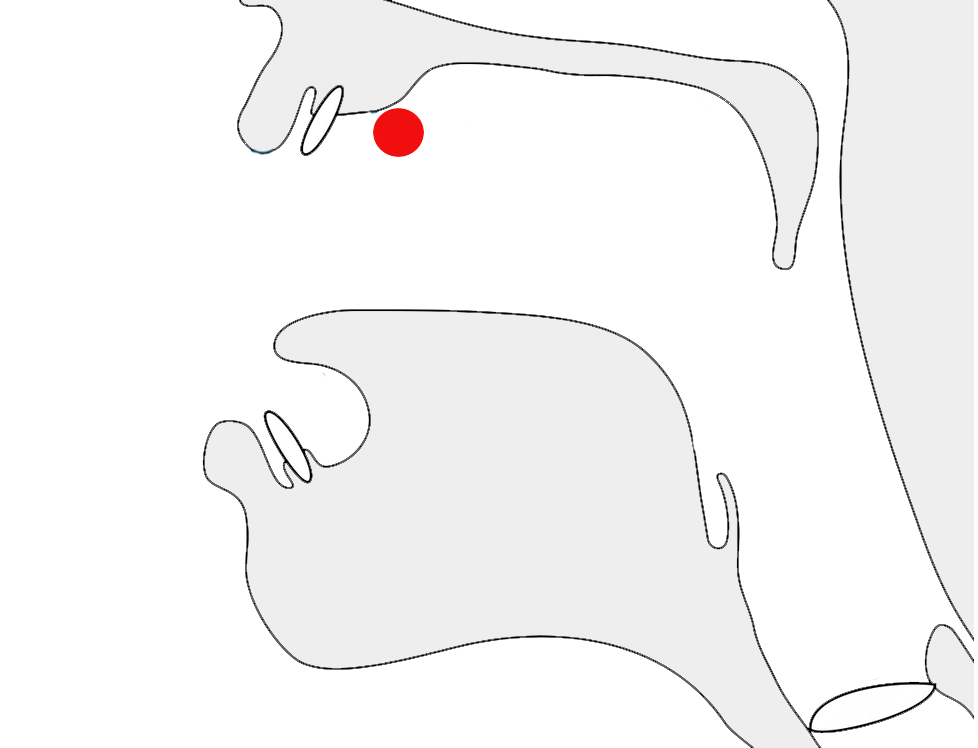
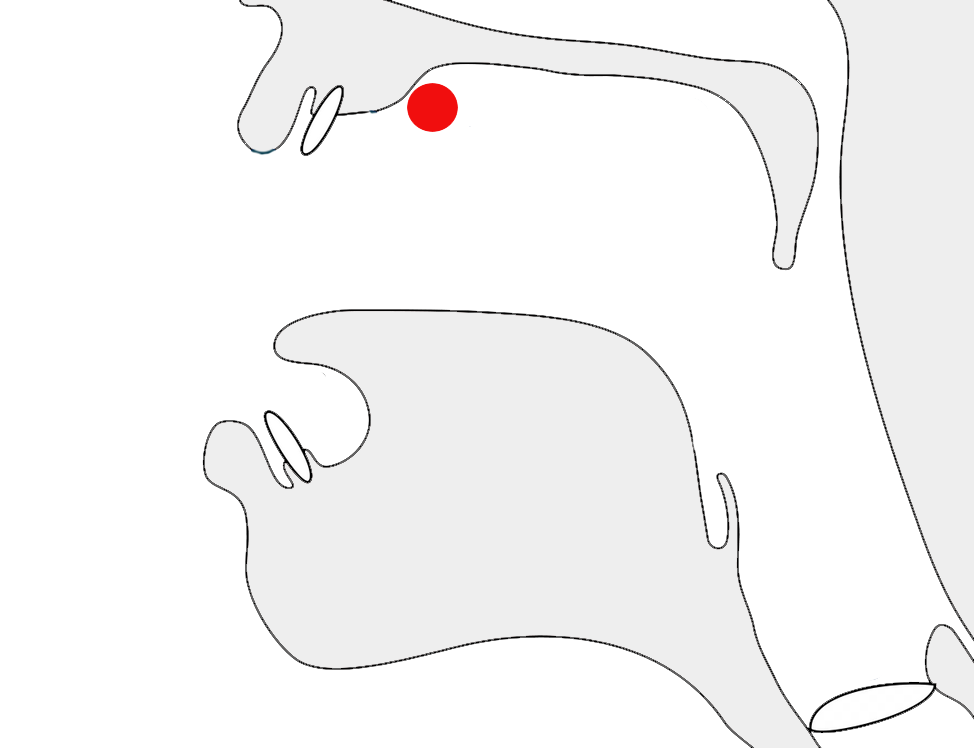
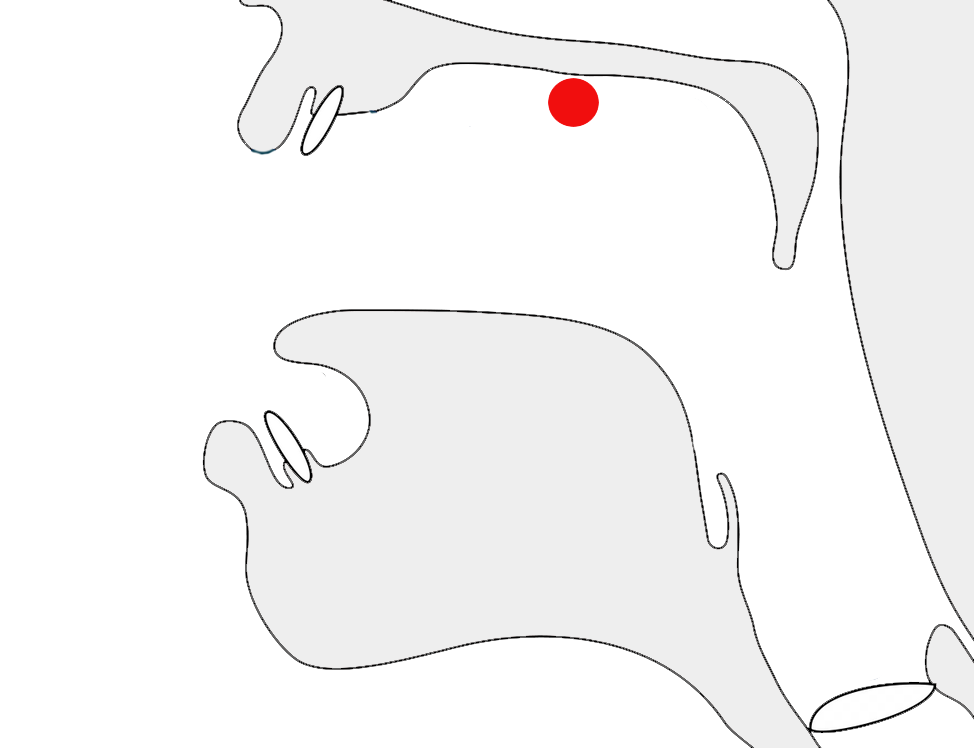
Note the distinction between dental and alveolar unvoiced stops, which carries through to the orthography.
The Muishvung dialect of Tangsa has four tones. Other dialects may vary.
| tone 1 | low falling | ˩ | ˋ | -z |
| tone 2 | mid-high falling | ˧ | ˊ | -x |
| tone 3 | mid-high level or rising | ˦ | ˉ | -c |
| tone 4 | short, final glottal stop | ˀ | ˀ | -q |
Column 3 shows how this tone is represented in the character descriptions. Column 4 shows how this tone is represented in IPA transcriptions in the current document. Column 5 shows the letter used in the Latin orthography to indicate the tone. These letters are found in the Unicode names for the characters.
The first 3 tones are used with open finals: vowels, nasals, and sometimes -l and -r.
Tone 4 is used with a final glottal stop or -p, -t, or -k.
Tangsa syllables have the structure:
C VT (VT) (C)
CVTA very small number of syllables begin with a vowel.m,6
Many of the words are monosyllabic.
This table only summarises basic vowel to character assignments. Click on the phonetic transcriptions for more detail.
| Low, falling | Mid, level or falling | High, falling | Short, with glottal stop | |
|---|---|---|---|---|
| Simple | ||||
| Diphthong |
For additional details see vowel_mappings.
The Tangsa orthography uses letters for all vowels. There are no combining marks. Unusually, each vowel sound has distinct letters for the 4 tones of the Tangsa language (and a few have special extra letters). Vowel letters don't interact graphically with each other or with the consonant letters. There are no pre-base glyphs or circumgraphs.
The same letters are used for both post-consonant and standalone vowel sounds.
Tangsa has a number of diphthongs. The orthography has a letter for the sound ɯu, but other dipthongs are written using two letters.
The basic Tangsa vowel letters cater for the following sounds.
i, ɯ, u, e, ɤ, o, ə, ɔ, and a.
The basic letters for each of these sounds are each associated with a tone, and are shown below.
The following lists show the same letters grouped by tone.
The four letters representing the sound ə are a recent innovation. The letters were created in 2019 by adding a small loop to the a series. Prior to their inclusion, this short sound was written using an a vowel and an i vowel after the coda (which is ambiguous), eg. compare the following:
𖪶𖩴𖪫𖪀
𖪶𖩸𖪫
Three vowel letters are for specialised uses: the first for toneless prefixes, and the other two for prosodic effects.m,9
𖪒 is used for a toneless prefix.
𖪦𖪒𖪷𖩵𖪬
𖪰𖪒𖪷𖪌𖪀
𖪑 applies length with a falling tone, such as in:
𖪬𖪑 𖪠𖪕𖪲𖩷
𖪓 is a short vowel with a falling tone, such as in the following phrase which ends with an imperative particle:
𖩸𖪲𖪗 𖪮𖪓
Tangsa writes the diphthong ɯu using an atomic character, one per tone.
Other combinations of vowels are written by simply juxtaposing vowel letters.
𖪥𖩵𖪠𖪄𖪀
𖪴𖩱𖩹𖪬𖪴𖩷𖪮
When open syllables use diphthongs, they use tones 1,2, or 3 and both vowels use letters with the same tone.
𖪲𖩻𖪇𖪐
| 𖪲,𖩻,𖪇,𖪐 |
When a syllable with a diphthong is followed by a stop coda, the second vowel uses a tone 4 letter.
𖪰𖩴𖪆𖪠
| 𖪰,𖩴,𖪆,𖪠 |
The only instance where vowel length is indicated in the script is with the special prosodic vowel 𖪑 (see dedicatedV).
Tangsa uses the same vowel letters for standalone vowel sounds as it does for post-consonant vowels.
𖩸𖪰𖪒𖪤𖪌𖪧
𖩸𖪲𖪗 𖪮𖪓
When used word-medially, the sources describe standalone vowels as components in a diphthong.
𖪥𖩵𖪠𖪄𖪀
𖪫𖪏𖪴𖩻𖪇𖪐
Separate vowel letters are provided for each combination of vowel and tone. For example, these are the letters used for the vowel a with the various tones.
See also tone.
This section maps Muishvung vowel sounds to common graphemes in the Tangsa orthography.
𖪀
𖪃
𖪁
𖪂
𖪌
𖪏
𖪍
𖪎
𖪄
𖪇
𖪅
𖪆
𖩼
𖩿
𖩽
𖩾
𖪔
𖪗
𖪑 Applies prosodic length.
𖪕
𖪖
𖩰
𖩳
𖩱
𖩲
𖩸
𖩻
𖩹
𖩺
𖪒 Used for toneless prefixes.
𖪈
𖪋
𖪓 Short, typically used for grammatical purposes.
𖪉
𖪊
𖩴
𖩷
𖩵
𖩶
𖪘
𖪛
𖪙
𖪚
𖪡𖩿𖪮
𖪣𖩵𖪬𖪴𖩷𖪮
This table only summarises basic consonant to character assignments. Click on the phonetic transcriptions for more detail.
For additional details see consonant_mappings.
Basic consonant sounds of the Muishvung dialect are written using the following letters.
Click on each letter for usage notes, alternative pronunciations, and for examples of usage.
Note how there are distinct letters for dental and alveolar plosives.
Four additional consonants with built-in diacritics above are for sounds that are not needed for the Muishvung dialect (the dialect of the inventor). These do not decompose, and the diacritics are not encoded separately.
These are largely used in Muishvung for exclamations and confirmation particles.m,9
Tangsa includes a set of tonal letters for the syllabic m̩. These are typically used for exclamations and confirmation particles.m,9
Codas are normally written using ordinary letters.
𖪶𖩸𖪫
𖪡𖩿𖪮
One exception is ŋ, which is written using 𖪐.
𖪣𖩿𖪐
𖪲𖩻𖪇𖪐
An open syllable ending with a glottal stop can be written in one of two ways:m,6
𖪠𖩶
| 𖪠,𖩶 |
𖪠𖩴𖩶
| 𖪠,𖩴,𖩶 |
This section maps Muishvung consonant sounds to common graphemes in the Tangsa orthography.
Sounds listed as 'infrequent' are allophones, or sounds used for foreign words, etc. Light coloured characters occur infrequently.
𖪧
𖪩
𖪪
𖪰
𖪯
𖪹
𖪸
𖪶
𖪵
𖪽 Used in a dialect other than Muishvung.
𖪱
𖪠
𖪡
𖪢
𖪻 Used in a dialect other than Muishvung.
𖪼 Used in a dialect other than Muishvung.
𖪤
𖪾 Used in a dialect other than Muishvung.
𖪴
𖪺
𖪷
𖪭
𖪫
𖪜 Syllabic m with tone.
𖪟 Syllabic m with tone.
𖪝 Syllabic m with tone.
𖪞 Syllabic m with tone.
𖪬
𖪳
𖪨
𖪣 Onset only.
𖪐 Coda only.
𖪦 Allophone is β.
𖪲
𖪮
𖪥
This section offers advice about characters or character sequences to avoid, and what to use instead. It takes into account the relevance of Unicode Normalisation Form D (NFD) and Unicode Normalisation Form C (NFC). It also takes into account Unicode's Do Not Emit guidelines.
There appear to be no particular issues related to encoding choices in Tangsa. There are no combining characters, no decompositions, nor ways of creating letters from multiple parts.
Since there are no combining marks, pre-base glyphs, etc, there are no issues related to codepoint sequencing.
Tangsa has a set of native, decimal digits
Tangsa text runs left to right in horizontal lines.
Show default bidi_class properties for characters in the Tangsa orthography described here.
Experiment with examples using the Tangsa character app.
Tangsa letters don't interact, so no special shaping or positioning is needed.
Words are separated by spaces.
Some hyphenated words have been seen in the sources.
Graphemes in Tangsa consist of single letters with no combining marks. This means that text can be segmented into typographic units using grapheme clusters.
Phrase, sentence, and section delimiters are described in phrase.
Tangsa has no native punctuation marks. The following have been seen in examples provided to support the Unicode proposal.
| phrase |
, |
|---|---|
| sentence |
. |
Moreym,6 mentions that the question mark is not needed, since questions are marked in text using a question particle 𖪭𖩴.
Lines are generally broken between words.
tbd
Tangsa uses the so-called 'alphabetic' baseline, which is the same as for Latin and many other scripts.
Tangsa requires no more vertical space than Latin text. To give an approximate idea, fig_baselines compares Latin and Tangsa glyphs from the Noto Sans Tangsa font. The height of nearly all Tangsa letters is the Latin cap-height, with a few letters reaching the ascender height. There are no descenders.
The Tangsa orthography uses native digits for numbering.
The tangsa numeric style is decimal-based and uses these digits.m