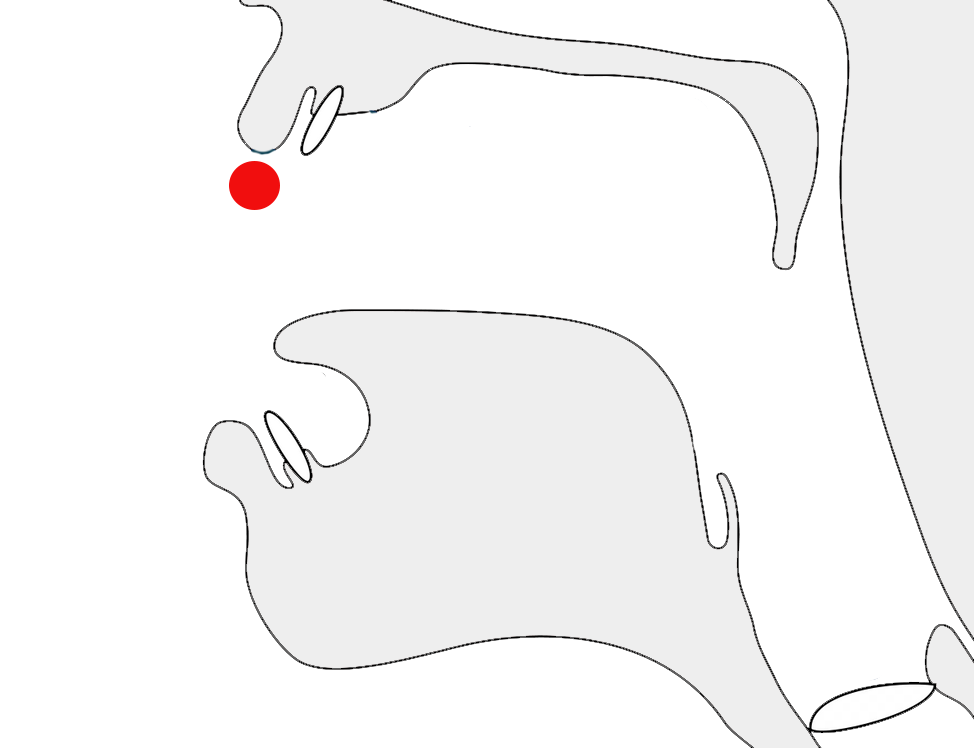
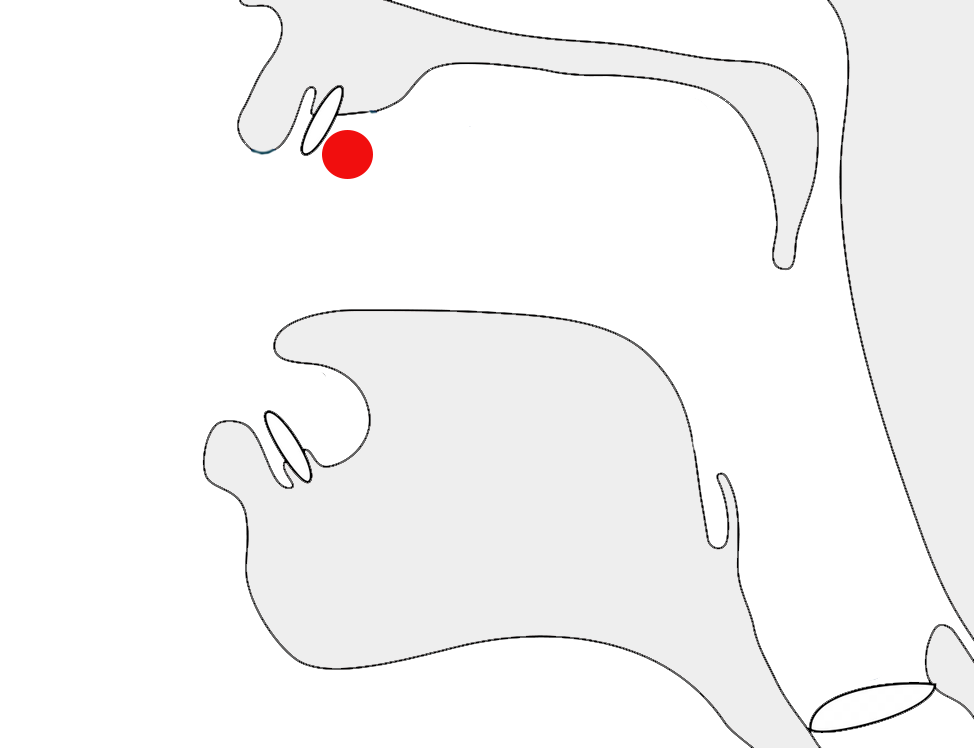
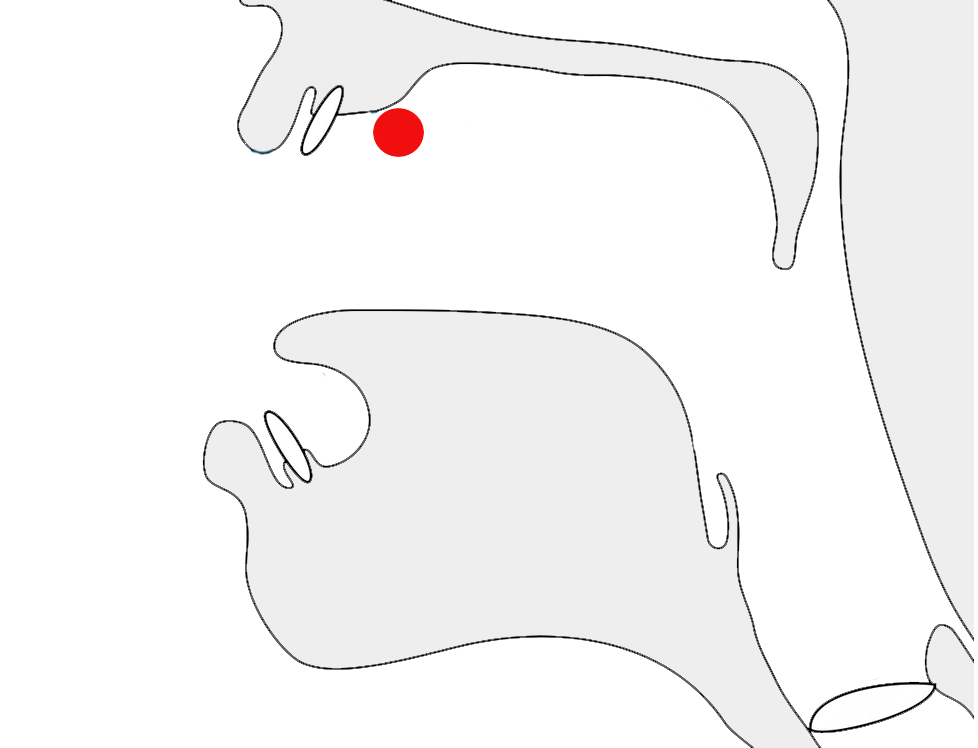
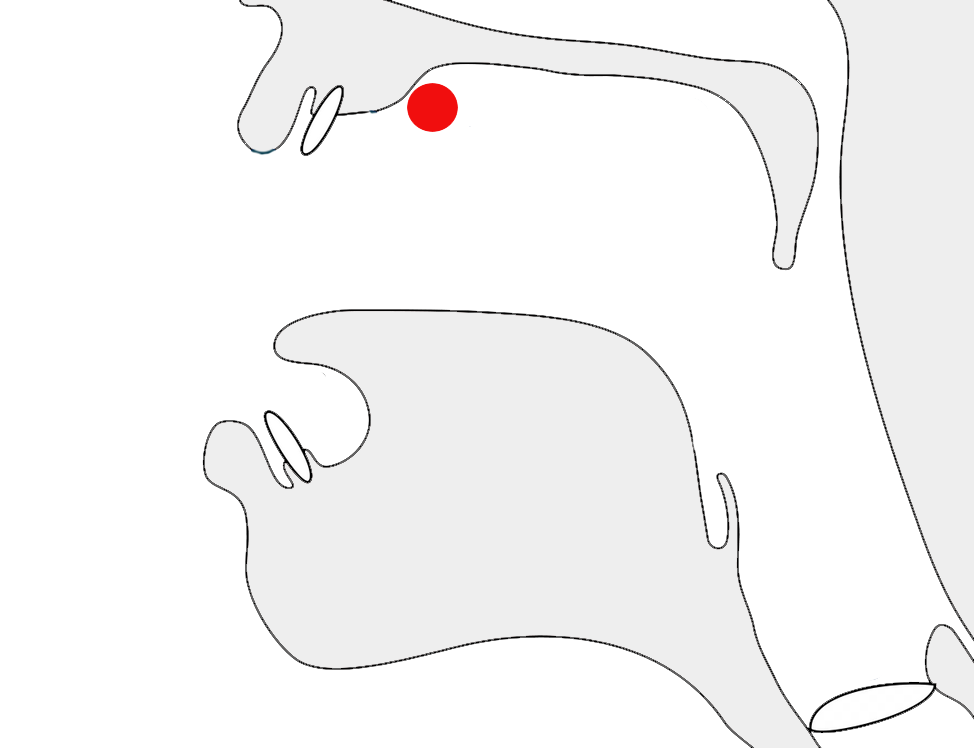
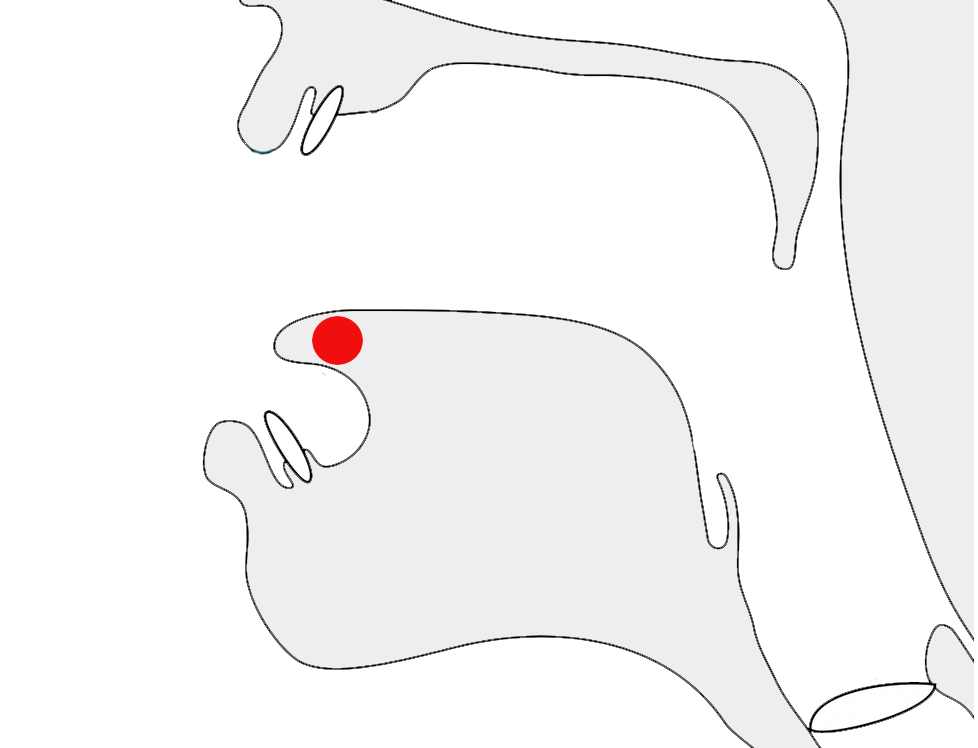
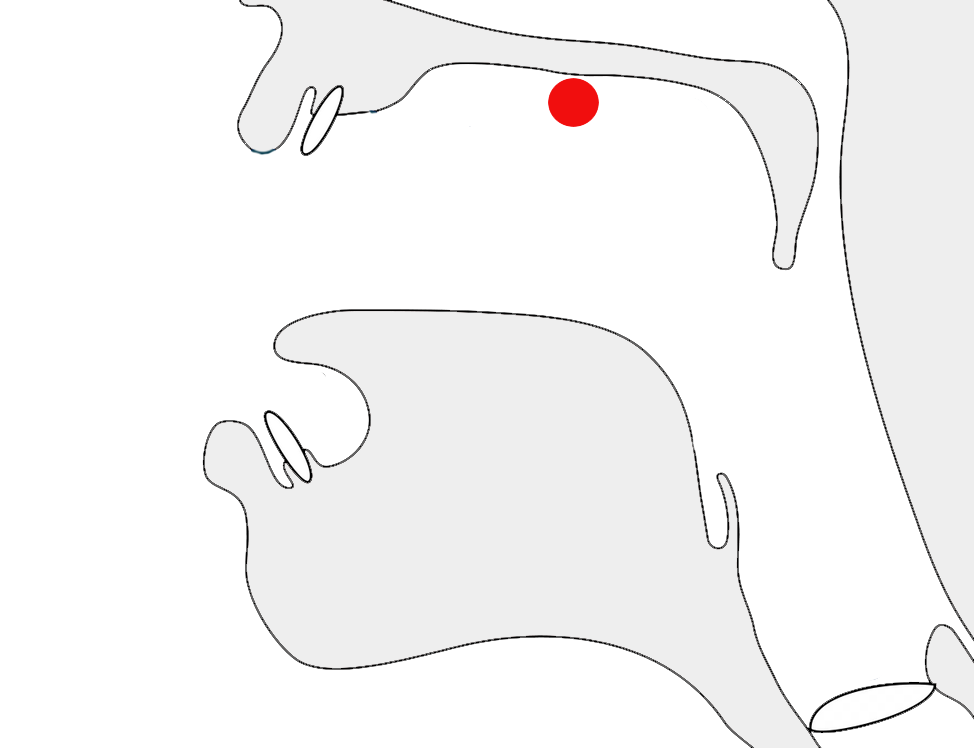
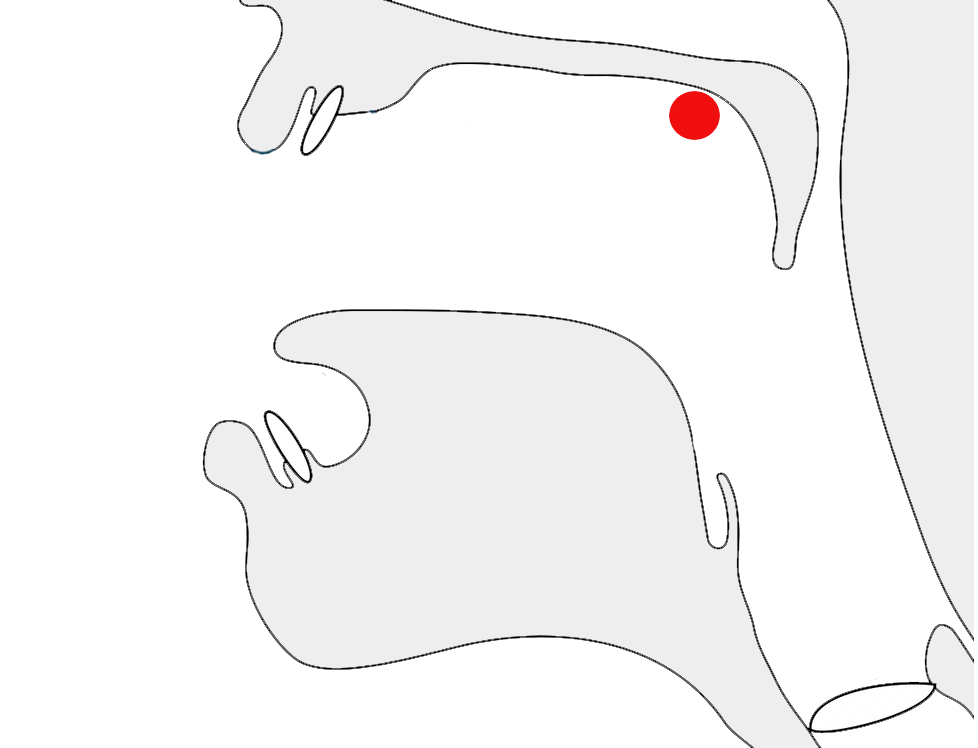
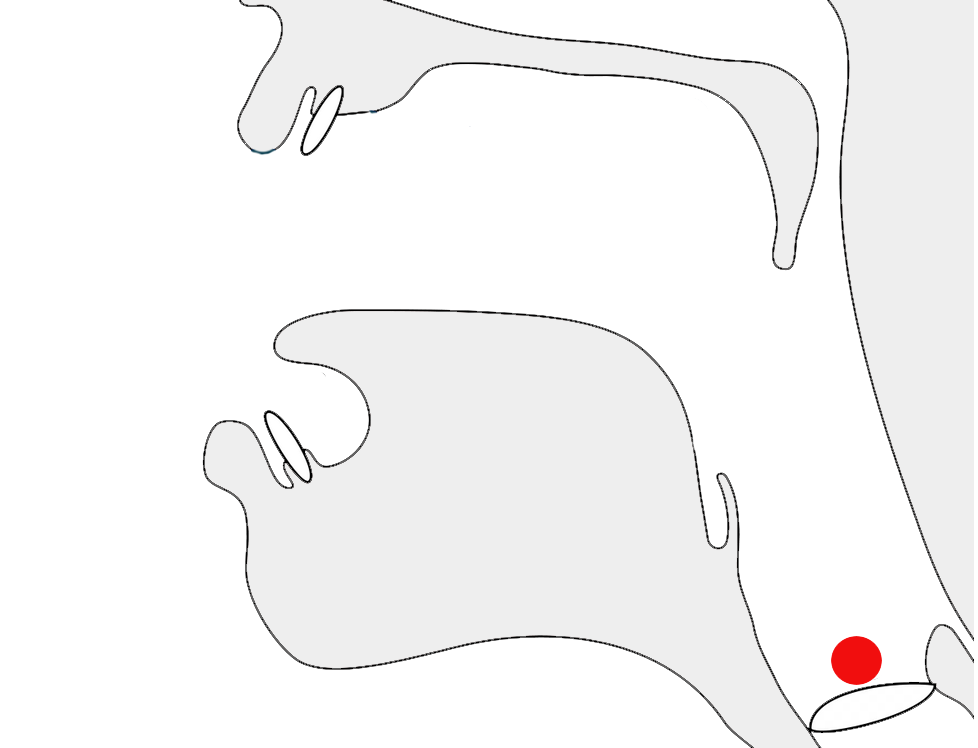
This page brings together basic information about the Kayah Li script and its use for the Western Kayah language. It aims to provide a brief, descriptive summary of the modern, printed orthography and typographic features, and to advise how to write Western Kayah using Unicode.
Kayah Li ( ꤊꤢ꤬ꤛꤢ꤭ꤜꤟꤤ꤬ ꤢ꤬ꤜꤤ꤬ ) is used to write the Eastern and Western Kayah Li languages, spoken by 360,000 and 210,000 people, respectively. Although native to Myanmar, these languages are now also spoken by significant numbers of refugees in Thailand, where the Kayah Li script is taught in schools.
The Kayah Li script was invented in 1962 by Htae Bu Phae (also written Hteh Bu Phe).
Unicode 17 has 1 dedicated Kayah Li block, comprising 48 characters.
The Kayah Li script is an alphabet, ie. all vowels are written explicitly, alongside consonants; there is no inherent vowel in a consonant (abugidas), certain vowels are not systematically dropped (abjads), and consonant and vowel are not combined in the same character (syllabaries).
Vowels Vowels are written using 4 vowel letters, and 5 more are written using ꤢ and a combining mark
The combining vowel diacritics can also be used with ꤣ to write 5 diphthongs used in loan words. The one common diphthong, ɯə, is somewhat more complicated, however, and uses different sequences of consonant characters to write breathy and non-breathy forms.
Breathy vowels are indicated by preceding them with ꤟ. There is no nasalisation.
Standalone vowels are written using ordinary vowel letters and no special arrangements.
Kayah Li has 3 combining tone marks, which are always used in a straightforward way at the end of every syllable to indicate one of 4 tones. One tone is not marked.
Consonants Kayah Li has 24 basic consonant letters. Two are not commonly used, and one is used for more than one sound. Otherwise, things are very phonetic.
Vowel absence Since this is an alphabet, vowel absence in consonant clusters or after codas is marked simply by an absence of vowel letters. There is no special shaping or mark to indicate a consonant cluster.
There are no syllable or word final consonants, but syllable-initial clusters may include up to 4 consonants.
Layout Kayah Li text runs left to right in horizontal lines. Words are separated by spaces, and can be multi-syllabic. Letters have no case distinction.
The visual forms of letters don't usually interact.
Punctuation is ASCII, plus one native sentence delimiter.
Notable features
half of the plain vowels are represented by letters, and the other half use combining marks over a carrier letter
vowel breathiness is written using the letter HA before the vowel
vowel marks are always above the base letter, and tone marks always appear below
there are no codas in Kayah syllable structures.
Character index
Letters
Show
Basic consonants
ꤟ,ꤛ,ꤕ,ꤙ,ꤖ,ꤒ,ꤘ,ꤓ,ꤊ,ꤋ,ꤌ,ꤡ,ꤠ,ꤞ,ꤎ,ꤐ,ꤏ,ꤗ,ꤔ,ꤑ,ꤍ,ꤝ,ꤚ,ꤜ
Vowel letters
ꤢ,ꤤ,ꤥ,ꤣ
Combining marks
Show
Vowel marks
ꤦ,ꤧ,ꤨ,ꤩ,ꤪ
Tones
꤬,꤫,꤭
Numbers
Show꤁,꤂,꤃,꤄,꤅,꤆,꤇,꤈,꤉,꤀
Punctuation
Show꤯,“,”,꤮
ASCII
␣,;,:,?,!,(,)
Other
Show
To be investigated
%,.,[,],ʼ,͏,,,‑,–,—,‘,’,…,⋯
Items to show in lists
Phonology
The following represents the repertoire of the Western Red Karen language.
Click on the sounds to reveal locations in this document where they are mentioned.
Phones in a lighter colour are non-native or allophones. Sources Helgerson, Wikipedia.
Vowel sounds
Plain vowels
Diphthongs
The diphthongs beginning with schwa are used in loanwords.ws
Consonant sounds
labial
dental
alveolar
post-
alveolar
retroflex
palatal
velar
glottal
stops
pb
td
kɡ
aspirated
pʰ
tʰ
kʰ
affricates
d͡ʒ
fricatives
v
θ
sz
ʃ
ʂ
x
h
aspirated
sʰ
nasals
m
n
ɲ
ŋ
approximants
w
l
j
trills/flaps
r
The sounds g and s are used in loan words.h
Tone
Observation: Different sources describe Kayah tones slightly differently, and this is an attempt to synthesise them.
Kayah Li has four tones, although the high tone is rarely seen.
low
˨
◌̀
¹
high
˥
◌̋
²
mid
˧
◌̄
³
mid-high
˦
◌́
-
Structure
Kayah has 4 syllable types. The CV syllable pattern is the most common.h
V, CV, CCV, CCCV
The syllable-initial consonant clusters involve one or more of the following after the initial: -j -w -r -l
Tones and breathiness are applied to the syllable nucleus. There are 4 tones.
Kayah words can be 1 – 3 syllables in length, and compound words are relatively common.h
Vowels
Plain
ꤤ,ꤢꤦ,ꤢꤨꤢꤩ,ꤥꤢꤧ,ꤢꤪꤣꤢ
Diphthongs
ꤣꤧ,ꤛꤣ, ,ꤟꤌꤣꤣꤦ,ꤣꤨ,ꤣꤩ,ꤣꤪ
Tones
꤬,꤭,꤫
Vowels can exhibit breathiness when preceded by ꤟ (not shown here — see breathiness).
Post-consonant vowels
Four post-consonant vowel sounds are written using letters, and 5 more are written using ꤢ with a combining mark.
The combining vowel diacritics can also be used with ꤣ to write 5 diphthongs used in loan words. The one common diphthong, ɯə, is somewhat more complicated, however, and uses different sequences of consonant characters to write breathy and non-breathy forms.
Breathy vowels are indicated by preceding them with ꤟ. There is no nasalisation.
Plain vowels
Plain, post-consonant vowels are written as follows.
ꤤ,ꤢꤦ,ꤢꤨ,ꤢꤩ,ꤥ,ꤢꤧ,ꤢꤪ,ꤣ,ꤢ
Five vowels are written using dedicated letters:
ꤤ,ꤢ,ꤥ,ꤣ,ꤢ
eg.
ꤒꤢ꤬ꤊꤜꤤ
The others are written using combining marks above ꤢ:
ꤦ,ꤨ,ꤩ,ꤧ,ꤪ
eg.
ꤏꤢꤦ꤭ꤟꤢꤧ꤭
The combining marks are not applied directly to a consonant letter.
Diphthongs
Diphthongs are mostly represented by a base character and a combining mark. Two diphthongs are represented by a combination of letters. Here is the full set.
ꤣꤧ,ꤣꤦ,ꤣꤨ,ꤣꤩ,ꤣꤪ,ꤛꤣ,ꤟꤌꤣ
The diphthong ɯə is common, and the others are mostly for non-native sounds. ɯə is written as the digraph ꤛꤣ.
eg.
ꤔꤛꤣ
The last item in the list above is a special case of vowels mixed with ꤟ to produce breathiness (see breathiness). See the sequence of characters after the example below. This is the most common use of ꤌ; it is not really used for a native ɡ sound in native Kayah words, and only normally used in the breathy version of this diphthong.
eg.
ꤕꤟꤌꤣ
ꤕ,ꤟ,ꤌ,ꤣ
Breathiness
Apart from the diphthong just mentioned, breathiness of vowels is indicated by immediately preceding the vowel with ꤟ.
eg.
ꤍꤟꤥ
ꤍ,ꤟ,ꤥ
With a medial consonant, such as -w, the HA continues to be used directly before the vowel.
eg.
ꤗꤝꤟꤤ꤬
ꤗ,ꤝ,ꤟ,ꤤ꤬
However, when ꤛ is the second or third consonant in a cluster, the HA is written before the YA.h
eg.
ꤡꤟꤛꤢ
ꤡ,ꤟ,ꤛ,ꤢ
Vowel length
There appears to be no phonemic distinction in vowel length, and no common way to mark different lengths in the orthography.
However, the punctuation mark ꤮ can be used to indicate extended intonation.
eg.
ꤊꤢ꤬ꤔꤟꤥ꤮ ꤒꤥ꤬
Composites
All but 4 basic vowels in Kayah are represented by multipart vowels made up of a base character and a combining mark. Most of the diphthongs are represented in the same way. Two diphthongs are represented by a combination of letters. Here is the full set.
ꤢꤦ,ꤢꤨ,ꤢꤩ,ꤢꤧ,ꤢꤪ,ꤣꤧ,ꤣꤦ,ꤣꤨ,ꤣꤩ,ꤣꤪ,ꤛꤣ,ꤟꤌꤣ
Vowels may also be mixed with ꤟ to produce breathiness (see breathiness). (The last item in the list above is a special case of that.) All vowels may also be associated with a tone mark (see tones).
Standalone vowels
There appear to be no special mechanisms for dealing with standalone vowels. A written vowel is simply placed where needed.
eg.
ꤢ꤬ꤗꤥ꤬ꤢ꤬ꤚꤢ
ꤥ꤬ꤗꤛꤢꤩ
ꤢꤟꤌꤣꤢꤛꤢ
ꤋꤢ꤭ꤢꤨ꤬
Observation: The Wiktionary entries sometimes show a glottal stop before a standalone vowel, and sometimes do not. See the examples just above.
Observation: The IPA transcriptions for some words found in the Learning Kayah PDF have silent initial vowels, eg. ꤢꤛꤢ꤭ꤞꤤ꤭.
Tones
Kayah Li has four tones, although the high tone is rarely seen. Each syllable is marked for tone, unless it has the mid-high tone. They are written as follows:
low
˨
◌̀
¹
A92C
high
˥
◌̋
²
A92B
mid
˧
◌̄
³
A92D
mid-high
˦
◌́
-
not written
The following code points are used.
꤬,꤭,꤫
The tone marks all combine below the base (whereas vowel diacritics combine above).r
eg.
ꤞꤢꤨ꤬ꤞꤢꤨ꤭ꤞꤢꤨ
The tone mark is normally written as the last component of a syllable, ie. after the vowel.e (Some fonts will correctly display the sequence vowel_base+tone+vowel_diacritic, but in that case the application must be relied upon to treat both orders the same for comparisons.)
This section maps Western Kayah vowel sounds to common graphemes in the Kayah Li orthography.
Sounds listed as 'infrequent' are allophones, or sounds used for foreign words, etc. Light coloured characters occur infrequently.
Plain vowels
i
vowelꤤ
ɯ
vowelꤢꤦ
u
vowelꤢꤨ
e
vowelꤢꤩ
o
vowelꤥ
ə
vowelꤣ
ɛ
vowelꤢꤧ
ɔ
vowelꤢꤪ
a
vowelꤢ
Diphthongs
ɯə
ꤛꤣNon-breathy diphthong.
ɯ̤ə
ꤟꤌꤣBreathy diphthong.
ɯɛ
diphthongꤣꤧ
əɯ
diphthongꤣꤦ
əu
diphthongꤣꤨ
əe
diphthongꤣꤩ
əɔ
diphthongꤣꤪ
Tones
˨
low꤬
˧
mid꤭
˥
high꤫Rare.
Vowel absence
Vowel absence principally occurs either when a consonant is a syllable coda, or when a consonant is part of a consonant cluster.
Kayah Li syllables have no codas, and the consonant clusters in Kayah are all syllable-initial. Kayah onsets include medial consonants -j- and -w-. When breathiness is introduced to the mix some combinations are a little special. See onsets.
Consonants
ꤕ,ꤖ,ꤙ,ꤒ,ꤓ,ꤘ,ꤡ,ꤊ,ꤋ,ꤌ
ꤠ,ꤞ,ꤎ,ꤏ,ꤐ,ꤞ,ꤏ,ꤟ
ꤗ,ꤔ,ꤑ,ꤍ
ꤝ,ꤚ,ꤜ,ꤛ
Basic consonants
Basic consonant sounds in Western Kayah are written using the following letters.
Click on each letter for more details and for examples of usage, especially where more than one sound is indicated.
ꤕ,ꤙ,ꤒ,ꤘ,ꤊ,ꤌ,ꤖ,ꤓ,ꤋ,ꤡ,ꤠ,ꤎ,ꤐ,ꤏ,ꤞ,ꤟ,ꤗ,ꤔ,ꤑ,ꤍ,ꤝ,ꤚ,ꤜ,ꤛ
Notes on letters
ꤌ is only normally found as part of the breathy diphthong ɯ̤ə,h though Helgerson says it may be used as in loan words.
eg.
ꤥ꤬ꤊꤟꤌꤣ
ꤎ is also mainly used for loan words.h
eg.
ꤕꤢꤎꤕꤥ
The sound x doesn't have a dedicated letter, but is an allophone of hɯ̤.r§127
eg.
ꤟꤌꤣ꤭
ꤏ, usually sʰ, is pronounced ʃ before j or i.
eg.
ꤏꤛꤢꤩꤓꤛꤢꤩ꤭ꤏꤤ꤭ꤕꤚꤟꤢꤩ
Onsets
Kayah onsets include medial consonants -j, -w, -r and -l. When breathiness is introduced to the mix some combinations are a little special.
Breathy vowels add another consonant, ꤟ, to these groups. It usually occurs immediately after the cluster.
eg.
ꤗꤝꤟꤤ꤬
ꤗ,ꤝ,ꤟꤤ꤬
ꤊꤜꤛꤢꤩ꤬ꤕꤜꤟꤢꤧ
But when the cluster contains j in second or third position ꤟ occurs before that.h
eg.
ꤢ꤬ꤕꤟꤛꤢ
ꤢ꤬,ꤕ,ꤟꤛꤢ
ꤞꤥ꤬ꤕꤜꤟꤛꤢꤩ꤬
Consonant sounds to characters
This section maps Western Kayah consonant sounds to common graphemes in the Kayah Li orthography.
Sounds listed as 'infrequent' are allophones, or sounds used for foreign words, etc. Light coloured characters occur infrequently.
p
consonantꤕ
pʰ
aspirated consonantꤖ
b
consonantꤙ
t
consonantꤒ
tʰ
aspirated consonantꤓ
d
consonantꤘ
d͡ʒ
consonantꤡ
k
consonantꤊ
kʰ
consonantꤋ
ɡ
consonantꤌOnly used for this sound in loan words. (Normally only used to indicate a breathy diphthong.)
v
consonantꤠ
θ
consonantꤞoccasionally, in some sources.
s
consonantꤎGenerally, only used in loan words.
sʰ
aspirated consonantꤏ
z
consonantꤐ
ʂ
consonantꤞ
ʃ
aspirated consonantꤏbefore j or i.
x
consonantꤟSometimes, in the combination hɯ̤.
h
consonantꤟ
m
consonantꤗ
n
consonantꤔ
ɲ
consonantꤑ
ŋ
consonantꤍ
w
consonantꤝOccurs most often medially, as well as an initial onset.
r
consonantꤚOccurs medially, as well as an initial onset.
l
consonantꤜOccurs medially, as well as an initial onset.
j
consonantꤛOccurs medially, as well as an initial onset.
Encoding choices
Visually, two diacritics look as it they could be composed of smaller parts. This section gives guidance on which approach is best.
It is possible that someone may occasionally try to use 2 characters rather than the single character which is canonical. Doing so produces text that will not match correctly encoded text for search, spell-checking, and so on, and so should be avoided. The list below shows the characters in question.
Use
Do not use
A92A
A926 A929
A92D
A92B A92C
This also reflects usage in didactic materials produced by the Kayah Li user community.u
Numbers
Digits
Kayah Li has a set of native digits
꤁,꤂,꤃,꤄,꤅,꤆,꤇,꤈,꤉,꤀
Text direction
Kayah Li text runs left to right in horizontal lines.
Kayah letters don't interact with each other, so no special shaping is needed for that.
Base characters may carry one or two combining marks, and the font needs to correctly shape and position these relative to the base. However, if there are two combining marks, one will appear above and the other below the base, so they won't interfere with each other.
Typographic units
Word boundaries
Words are separated by spaces.
Graphemes
tbd
Punctuation & inline features
Phrase & section boundaries
Kayah punctuation is mostly ASCII, however ꤯ is used as a phrase/sentence delimiter.u
phrase
,
;
:
sentence
꤯
?
!
Bracketed text
Kayah commonly uses ASCII parentheses to insert parenthetical information into text.
start
end
standard
(
)
Quotations & citations
Kayah texts use quotation marks. Of course, due to keyboard design, quotations may also be surrounded by ASCII double and single quote marks.